Focus priority
1 Primitive Shelter
Wind is the enemy. Lean-tos with reflector walls in timber; snow trenches above snowline. Avoid ridgeline bivouacs in storms.
Best-fit methods: lean-to, terrain-shelter, debris-hut
Environment
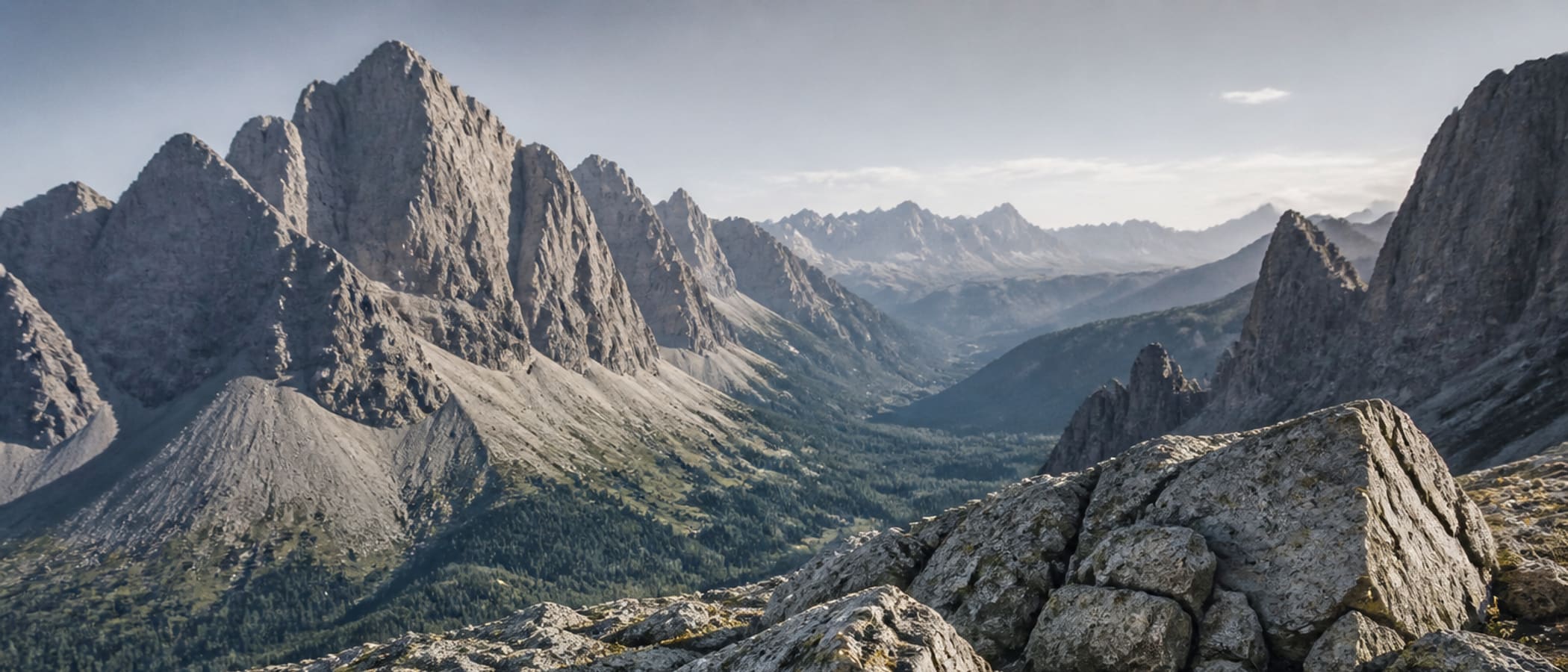
Mountains compress time: storms arrive faster, nights colder, and wrong-ridge decisions cost hours you do not have. Shelter and navigation share the crown.
Above timberline afternoon, wind rising, grey ceiling dropping, last trees thirty minutes downhill.
Best first move:Abandon the summit bid. Drop to timber, build a lean-to or terrain snow shelter out of wind, and start a small fire for warmth and meltwater before dark.
Ego keeps people high. Survival walks downhill to fuel and shelter options.
Temperature drops with altitude; wind multiplies heat loss. Weather cells build quickly on windward slopes. Timberline cuts fuel; alpine zones offer rock and snow but little wood. UV and dehydration still hit on clear days despite cold air.
Tap a priority to focus on it.
Wind is the enemy. Lean-tos with reflector walls in timber; snow trenches above snowline. Avoid ridgeline bivouacs in storms.
Best-fit methods: lean-to, terrain-shelter, debris-hut
Summit fever is the mountain’s psychological trap. Pre-commit turnaround times and honour them. A boring descent alive beats a heroic bivy on the wrong ledge.
Ridges and valleys are strong handrails—until whiteout. Know your bail drainage before you climb.
Best-fit methods: stop-orient, signal-rescue, sun-star
Bow-drill and percussion in timber; fuel is scarce above treeline—carry the decision to drop early.
Best-fit methods: bow-drill, percussion
Melt and boil; altitude needs longer boil times. Do not eat unmelted snow as your only intake—it cools you.
Best-fit methods: boil, collect-seep
Falls and cold injuries dominate. Splint and insulate; evacuate down, not along the ridge.
Best-fit methods: evac-decision, bleed-control, heat-cold
Low priority. Alpine calories are sparse; protect energy for descent.
Best-fit methods: fish-gather
Liquid water costs less fuel when available. If melting snow, melt fully and warm it—chewing ice lowers core temperature.
Open slopes or clearings visible from air, not under tight canopy. Keep shelter nearby so you can sustain the wait.
Take the PSR assessment and score this skill honestly.
Guide articles are written in English in this version. UI chrome follows your language setting.