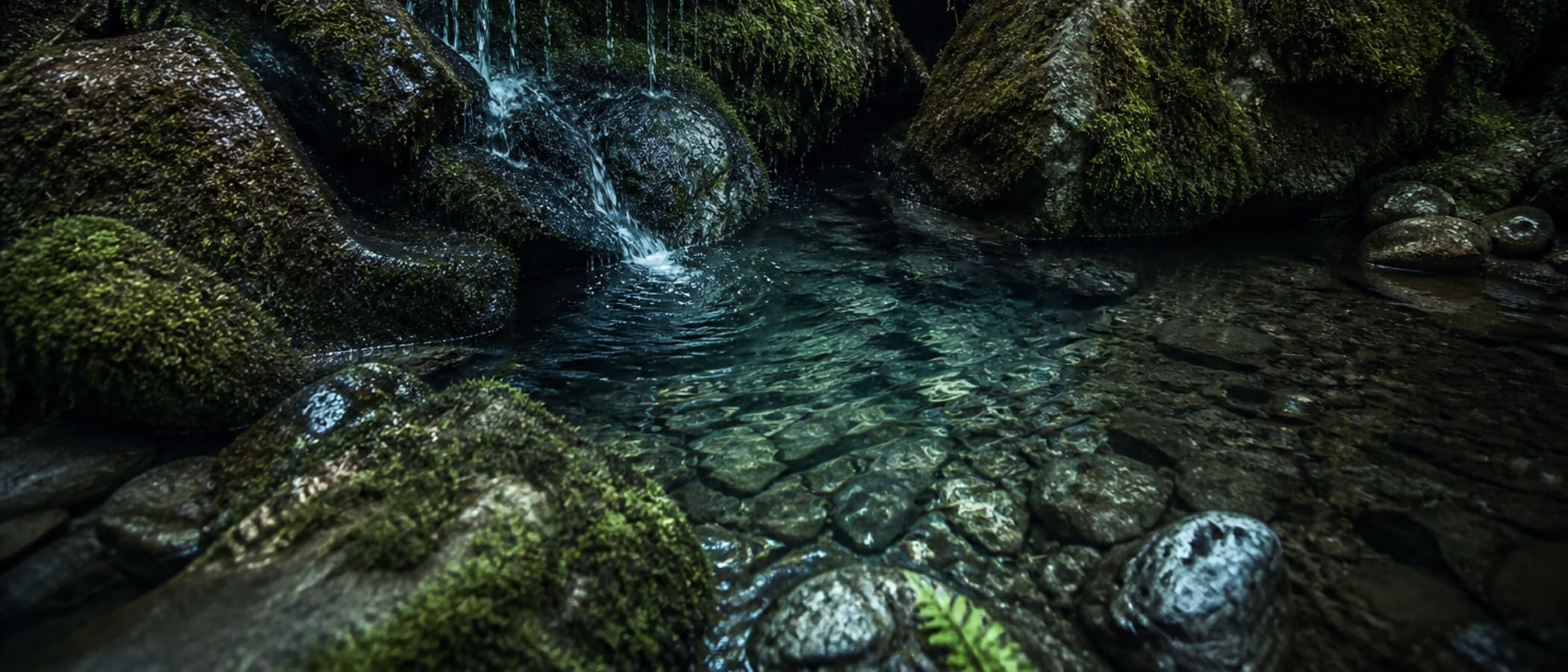
Clear spring water seeping from mossy stones into a forest pool

Skill pillar

Safe Water

You can survive days without food; without water, cognition and thermoregulation collapse fast. Safe water is not “any liquid”—it is volume you can trust after treatment.

2 min read3 methods

Orient
Show safety notes

Scenario

Arid scrub at midday; last sip three hours ago; dry wash visible downhill.

Best first move:

Move in shade toward the lowest ground. Dig a seep in the outside bend of a dry wash before you burn energy on a solar still.

Why it matters

In PSR scoring, water sits just behind shelter/fire in the Rule of Threes. The skill is locating sources, improvising containers, and applying heat or filtration without wasting irreplaceable fuel.

Choose

Tap a method to learn it — one at a time.

Filter by region

Tap a biome to re-order methods by fit. All methods stay visible for readers and search engines.

Compare at a glance

Learn

Learn this method

Seep / dig for groundwater

Universal fieldcraft: dig in damp sand of dry riverbeds, above high-tide lines, or at the base of cliffs where vegetation signals moisture.

At a glance

Energy investmentMedium energyDigging costs sweat—ironic in desert. Dig in shade, rest often, and stop if sand stays bone-dry.
ReliabilityMedium reliability
Time30–90 minutes for a usable seep in promising ground

Materials

  • Digging tool or stout stick
  • Cloth or improvised filter
  • Container (bladder, bottle, bamboo, bark vessel)

Steps

  1. 1Identify likely moisture: green vegetation, animal tracks converging, cool sand in washes.
  2. 2Dig until water seeps; let sediment settle.
  3. 3Scoop carefully; filter through cloth into a clean container.
  4. 4Treat by boiling or other validated method before drinking.

Common mistakes

  • Digging on the inside bend or ridge tops where water never pools
  • Contaminating the hole with dirty hands or tools
  • Sweating out more water than you recover

Region fit

Best in: Temperate forest, Tropical jungle, Desert, Mountains, Coast & swamp · Poor in: Snow & ice

  • Temperate forestGood fit
  • Tropical jungleGood fit
  • DesertGood fit
  • MountainsGood fit
  • Snow & icePoor fit
  • Coast & swampGood fit

Fit keyGood fitPoor fitAvoid

Other methods

Boiling Medium energy · High reliability

The gold-standard field treatment for pathogens when you can bring water to a rolling boil—ancient practice wherever fire and a vessel exist.

Materials

  • Fire and fuel
  • Heat-safe vessel (metal, ceramic, rock-boiling in a pit with hot stones)
  • Settled or pre-filtered water

Steps

  1. Pre-filter cloudy water through cloth.
  2. Bring to a rolling boil; maintain according to local guidance (typically one minute at moderate altitude; longer at high altitude).
  3. Cool covered; store sealed.

Energy investment

Medium energy. Fuel is the cost. In wet biomes, gathering dry fuel may exceed the boil itself.

Region fit

Best in: Temperate forest, Tropical jungle, Mountains, Snow & ice, Coast & swamp · Poor in: Desert

Common mistakes

  • Vessel cracks or spills—lose both water and fuel
  • Assuming boil removes chemical pollution
  • Recontaminating with dirty lids or hands
Solar still Low energy · Low reliability

Transpiration and pit stills condense moisture using sun and plastic or large leaves—useful teaching tool; often low yield in true survival.

Materials

  • Clear plastic sheet or broad non-toxic leaves
  • Container under the low point
  • Optional green vegetation in the pit

Steps

  1. Dig a pit; place container in the centre.
  2. Add chopped green vegetation around the container if available.
  3. Seal with plastic; weight the centre so condensate drips into the cup.
  4. Wait through peak sun; collect sparingly.

Energy investment

Low energy. Low muscle cost, high time cost. Rarely replaces a real seep or known spring.

Region fit

Poor in: Temperate forest, Tropical jungle, Desert, Mountains, Coast & swamp · Avoid in: Snow & ice

Common mistakes

  • Expecting litres—yield is often tablespoons
  • Punctured seal or no temperature gradient
  • Using toxic plants inside the still
Rate

Skill ladder

Honest self-check using the same levels as the calculator.

  1. None

    Cannot locate or treat field water; depends on bottled supply only.

  2. Basic

    Can boil water in a proper pot over an established fire.

  3. Proficient

    Can find likely sources, improvise containers, and treat water in temperate terrain.

  4. Expert

    Reads terrain hydrology across biomes and manages fuel vs hydration trade-offs under stress.

FAQ

Is clear water safe?

No. Clarity does not mean pathogen-free. Treat whenever you can. Chemical pollution can look clean and still be dangerous—boiling will not fix that.

Should I drink urine or salt water?

No. Both worsen dehydration. Focus on shade, rest, seeps and condensation methods instead.

Rate yourself

Take the PSR assessment and score this skill honestly.

Guide articles are written in English in this version. UI chrome follows your language setting.